

Maybe such devotion, in which one holds the world
in the clasp of attention, isn’t the perfect prayer,
but it must be close.
— Mary Oliver, “Snowy Night”
Stand still. The trees ahead and bushes beside you
Are not lost. Wherever you are is called Here,
And you must treat it as a powerful stranger,
Must ask permission to know it and be known.
The forest breathes. Listen. It answers,
I have made this place around you.
If you leave it, you may come back again, saying Here.
No two trees are the same to Raven.
No two branches are the same to Wren.
If what a tree or a bush does is lost on you,
You are surely lost. Stand still. The forest knows
Where you are. You must let it find you.
— David Wagoner, Lost

ٱلشَّمْسُ وَٱلْقَمَرُ بِحُسْبَانٍۢ
وَٱلنَّجْمُ وَٱلشَّجَرُ يَسْجُدَانِ
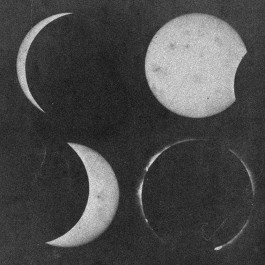
[The sun and the moon ˹travel˺ with precision.
The stars and the trees bow down ˹in submission˺]
— Surah Ar-Rahmān (55:5–6)
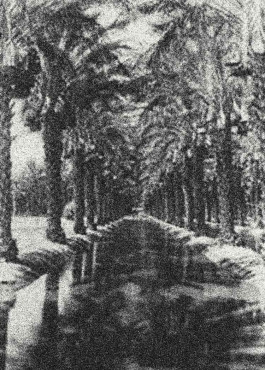
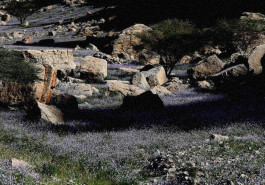
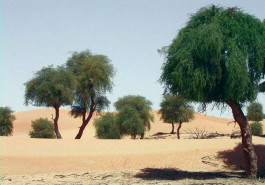
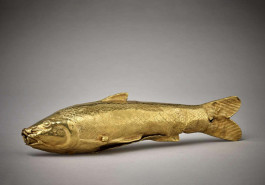
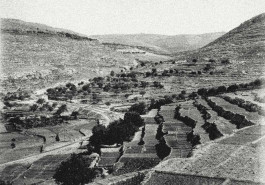

A grouping of trees, intentionally cultivated or found growing wild. The grove has a long and diverse history entwined with human settlement, rural practices and the culture and politics of cities. A grove can be a memorial, a place of learning, a site of poetic retreat and philosophy. Or political encampment, a public park or theatre, a place of hidden pleasures, a symbol of a vanished forest ecology, or a place of gods or other spirits. Yet groves are largely absent from our contemporary vocabulary and rarely included in today’s landscape practice.
—Jan Woudstra, A History of Groves (2017)
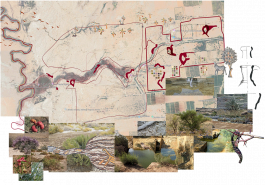
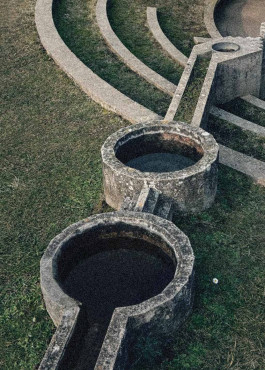



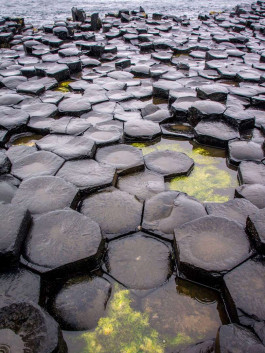
Maybe such devotion, in which one holds the world / in the clasp of attention, isn’t the perfect prayer, / but it must be close.
— Mary Oliver, “Snowy Night”

ٱلشَّمْسُ وَٱلْقَمَرُ بِحُسْبَانٍۢ
وَٱلنَّجْمُ وَٱلشَّجَرُ يَسْجُدَانِ
* The sun and the moon ˹travel˺ with precision. / The stars and the trees bow down ˹in submission˺.
— Surah Ar-Rahmaan (55:5–6)